How Canadian Online Casinos Are Adapting to Cryptocurrency: A 2026 Guide to Choosing a Trusted Bitcoin Casino in Canada
I've spent a good chunk of the past year digging into how Canadian online gambling is changing, and honestly, the shift toward cryptocurrency has been one of the most interesting stories in the industry. Walk into any discussion about online gaming trends in 2026 and crypto comes up almost immediately. It's not a niche curiosity anymore — it's becoming part of the standard toolkit for Canadian players who want faster, cheaper, and more private ways to move money.
The Rise of Crypto Gambling in Canada
A few years back, suggesting you'd fund your casino account with Bitcoin might have gotten you a raised eyebrow. Not anymore. Canadian-facing casino platforms have been rolling out crypto payment options at a pace that honestly surprised me. The reasons are pretty straightforward once you look at them: traditional banking rails in Canada can be slow, especially for withdrawals, and they often come with fees that eat into winnings.
Crypto transactions, by contrast, tend to settle quickly — sometimes within minutes rather than days. There's also the privacy angle. A lot of Canadian players simply prefer not having 'online casino' show up as a line item on their bank statement, and digital currency offers that layer of discretion. Lower transaction costs round out the appeal, particularly for players who move larger amounts regularly.
What Is a Bitcoin Casino? Understanding the Basics
At its core, a Bitcoin casino is simply an online gambling platform that allows deposits and withdrawals using Bitcoin or other cryptocurrencies instead of (or alongside) traditional currency like CAD. The games themselves — slots, blackjack, roulette — usually look identical to what you'd find at a conventional site. The difference is in the plumbing: how money moves in and out.
Many crypto-friendly platforms also offer 'provably fair' gaming, a system that uses cryptographic algorithms to let players verify that game outcomes weren't manipulated. It's a nice technical safeguard, though it's worth noting that provably fair tech is a feature of some crypto casinos, not a universal standard — so it's something to actively look for rather than assume.
Bitcoin-Only vs. Hybrid Crypto Casinos
There are two broad categories here. Bitcoin-only casinos deal exclusively in crypto — no CAD, no credit cards, just digital currency in and out. These tend to attract a specific crowd of crypto-native players who are comfortable managing wallets and exchanges.
Hybrid casinos are more common for Canadian audiences. These platforms let you deposit in CAD, Bitcoin, Ethereum, or stablecoins like USDT, giving players flexibility to choose whatever method suits them that day. For most Canadians dipping their toes into crypto gambling for the first time, hybrid platforms feel like a gentler entry point.
Why Canadian Players Are Turning to Crypto Casinos
Beyond the obvious speed benefits, there's a practical financial reason Canadian players are drawn to crypto: currency conversion. If you're playing in CAD on a site that processes everything in USD behind the scenes, you can lose a surprising amount to conversion fees over time. Betting directly in Bitcoin sidesteps that entirely.
There's also the matter of access. Some players look to crypto casinos as a way to reach platforms that operate outside the tighter provincial frameworks found in places like Ontario, which has its own regulated iGaming market. That broader access comes with trade-offs worth understanding before you dive in.
Pros and Cons for Canadian Users
- Pros: Faster withdrawals, reduced fees, no currency conversion losses, broader game selection, and a degree of anonymity that traditional banking can't match.
- Cons: Bitcoin's price volatility can affect the real value of your bankroll between deposit and withdrawal; oversight varies widely between platforms; and Canadian tax obligations around crypto gambling winnings can get complicated fast.
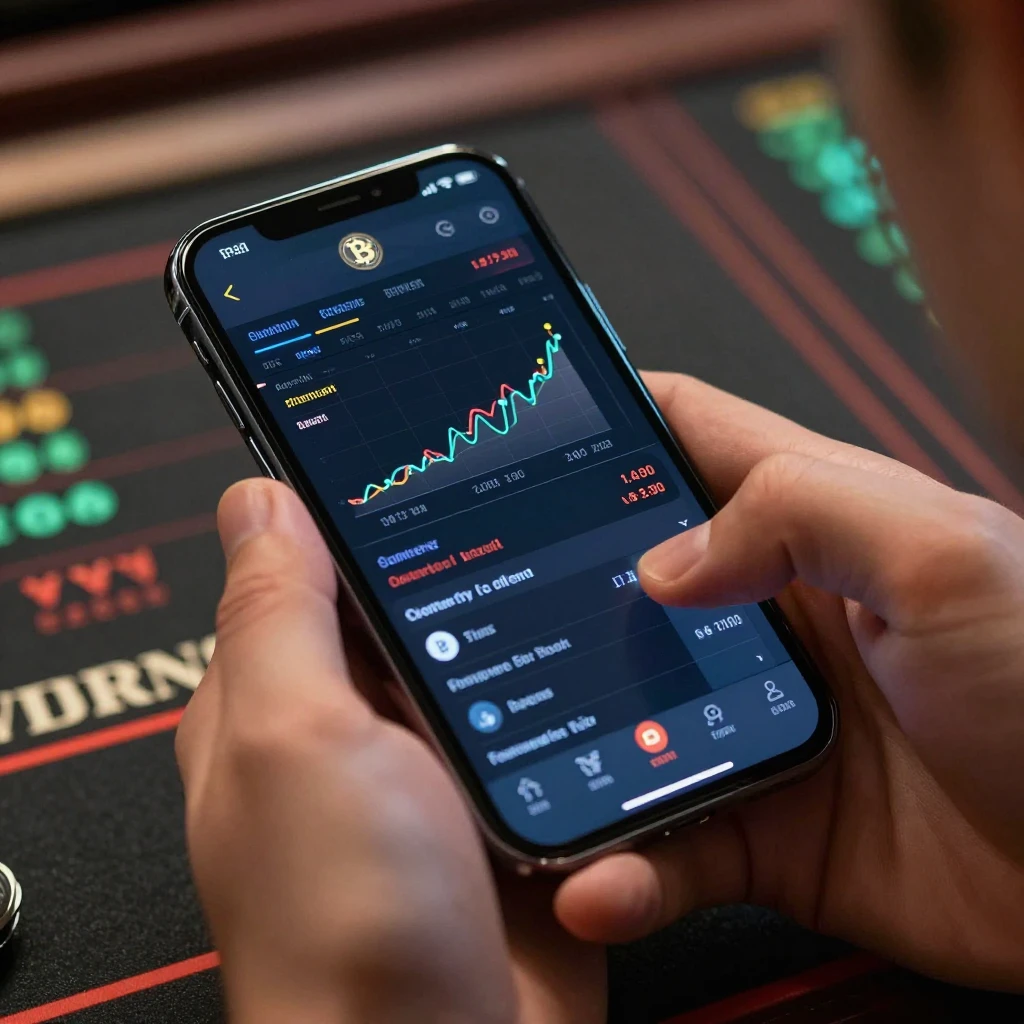
Regulation, Compliance, and Staying Safe
This is where things get a little more serious. Canada's regulatory approach to online gambling isn't uniform — it varies by province, and crypto adds another layer of complexity because digital currency transactions intersect with anti-money laundering (AML) rules in ways that traditional banking doesn't always face in the same form.
Legitimate operators are expected to follow recognized AML and compliance frameworks, verifying customer identities and monitoring for suspicious transaction patterns, even when the currency involved is Bitcoin rather than Canadian dollars. If you're trying to understand what proper financial crime compliance looks like for a bitcoin casino, it's genuinely worth reviewing resources from organizations focused on anti-financial-crime standards — they lay out what responsible operators should be doing behind the scenes, and that knowledge makes it much easier to spot platforms that are cutting corners.
How to Verify a Casino's Legitimacy
Before you deposit a single satoshi, a bit of homework goes a long way. Check for an active, verifiable gambling license — not just a logo pasted in the footer. Look for independent third-party audits of their games and payout systems. Review their stated KYC and AML policies to see if they're actually substantive or just boilerplate text. And honestly, a quick search of the operator's history and player reviews can reveal red flags faster than any marketing page will.
Key Features to Look for in a Trusted Bitcoin Casino in 2026
Not all crypto casinos are built the same, and the differences matter. Here's what I'd personally prioritize:
- Provably fair game verification tools
- Clearly stated, consistently honored withdrawal timeframes
- Support for multiple cryptocurrencies — BTC, ETH, and stablecoins like USDT give flexibility
- Responsive, accessible customer support (ideally live chat, not just email tickets)
- Solid security infrastructure, including two-factor authentication and cold storage for crypto reserves
Red Flags to Avoid
Be wary of licensing claims you can't independently confirm. Bonuses that seem too generous almost always come with wagering requirements buried deep in the terms. Slow or inconsistent withdrawal processing is a classic warning sign that a platform may be struggling financially or deliberately stalling payouts. And if a casino doesn't offer any responsible gambling tools — deposit limits, self-exclusion, cooling-off periods — that absence tells you something important about their priorities.
Responsible Gambling in the Crypto Era
Crypto's speed and convenience can be a double-edged sword. The same features that make withdrawals fast also make it easier to deposit impulsively, since there's no bank intermediary pausing the transaction. That's why responsible gambling tools matter even more in a crypto context — deposit limits, self-exclusion programs, and reality checks on time spent playing.
Canadian players who feel their gambling is becoming a problem have resources available, including provincial responsible gambling helplines and organizations like the Responsible Gambling Council. Crypto doesn't change the fundamentals of safe play; it just changes the mechanics of how money moves.
Conclusion: Choosing the Right Bitcoin Casino for 2026 and Beyond
Cryptocurrency has genuinely reshaped the Canadian online gambling landscape, offering speed, lower fees, and flexibility that traditional banking methods often can't match. But that convenience comes with a responsibility to do your homework — checking licensing, understanding AML compliance, scrutinizing withdrawal practices, and keeping an eye on your own play habits. The players who get the most out of crypto gambling in 2026 are the ones who treat due diligence as part of the fun, not an afterthought.

