Bitcoin Payments in 2026: How Canadian Online Casino Players Are Using Cryptocurrency for Faster, Safer Deposits and Withdrawals

I've watched the conversation around online gambling payments in Canada shift fast over the past couple of years. What used to be a niche topic for the tech-savvy crowd now comes up at kitchen tables and poker nights without anyone blinking. Bitcoin — once brushed off as some volatile curiosity — has turned into one of the go-to ways to fund an online casino account in 2026.
I've spent a good chunk of time testing different platforms, swapping notes with other players, and trying to figure out why this shift happened so quickly. So this article walks through exactly that: why Bitcoin is winning Canadian players over, how the process actually works, and what to watch for before you send that first deposit.
Why Canadian Players Are Switching to Bitcoin in 2026
Once you've tried the alternative, the reasons stop feeling mysterious. Faster transactions. Lower fees. Better privacy. Plus the ability to dodge banking restrictions that have annoyed Canadian gamblers for years — these are the real drivers, not marketing talk.
I still remember waiting three business days for a withdrawal to clear through my bank, only to have it flagged for 'manual review.' No explanation, just... a delay. That kind of friction is exactly what pushes people toward something that just works.
The Limitations of Traditional Banking Methods
Credit card declines are still shockingly common when Canadian players try to deposit at online casinos. Plenty of major banks quietly block anything tagged gambling-related, even when the operator holds a full license. On top of that, withdrawal processing through traditional channels can drag on anywhere from two to seven business days, and some banks cap e-transfers daily or monthly in ways that turn a bigger cashout into a headache.
These aren't rare edge cases, either — they're everyday realities for a lot of players I know.
The Appeal of Decentralized Payments
Bitcoin cuts the middleman out entirely. No bank deciding your transaction 'looks suspicious,' no third-party approval queue, no arbitrary limit set by an institution that has nothing to do with the casino in the first place. That decentralized setup hands players real control over their own funds — and honestly, that sense of autonomy is a big part of why so many Canadians have stuck with it for good.
How Bitcoin Deposits and Withdrawals Work at Online Casinos
If you're new to crypto gambling, the process is way less intimidating than it sounds. It really just boils down to four steps: get a wallet, fund it, deposit to the casino, withdraw when you're ready to cash out.
Setting Up a Crypto Wallet for Casino Play
Start by picking a reputable wallet. Electrum, Exodus, or a hardware wallet like Ledger are popular among Canadian players, and for good reason. Once it's set up, keep your private keys offline — never share them, never store them in plain text on your computer.
From there, you can fund the wallet through a Canadian exchange like Bitbuy, Newton, or Coinberry. All three support direct CAD-to-Bitcoin purchases through Interac e-Transfer, which makes the on-ramp fairly painless.
Typical Transaction Times and Confirmation Requirements
Most casinos ask for one to three blockchain confirmations before crediting a deposit — usually a 10 to 30 minute wait, depending on how congested the network is at that moment. Compare that to the two-to-five-day wait typical of wire transfers, or even the occasional lag with Interac e-Transfers during busy periods, and the gap becomes obvious fast.
Withdrawals follow a similar pattern. Once the casino processes the request on its end, the blockchain itself moves quick.
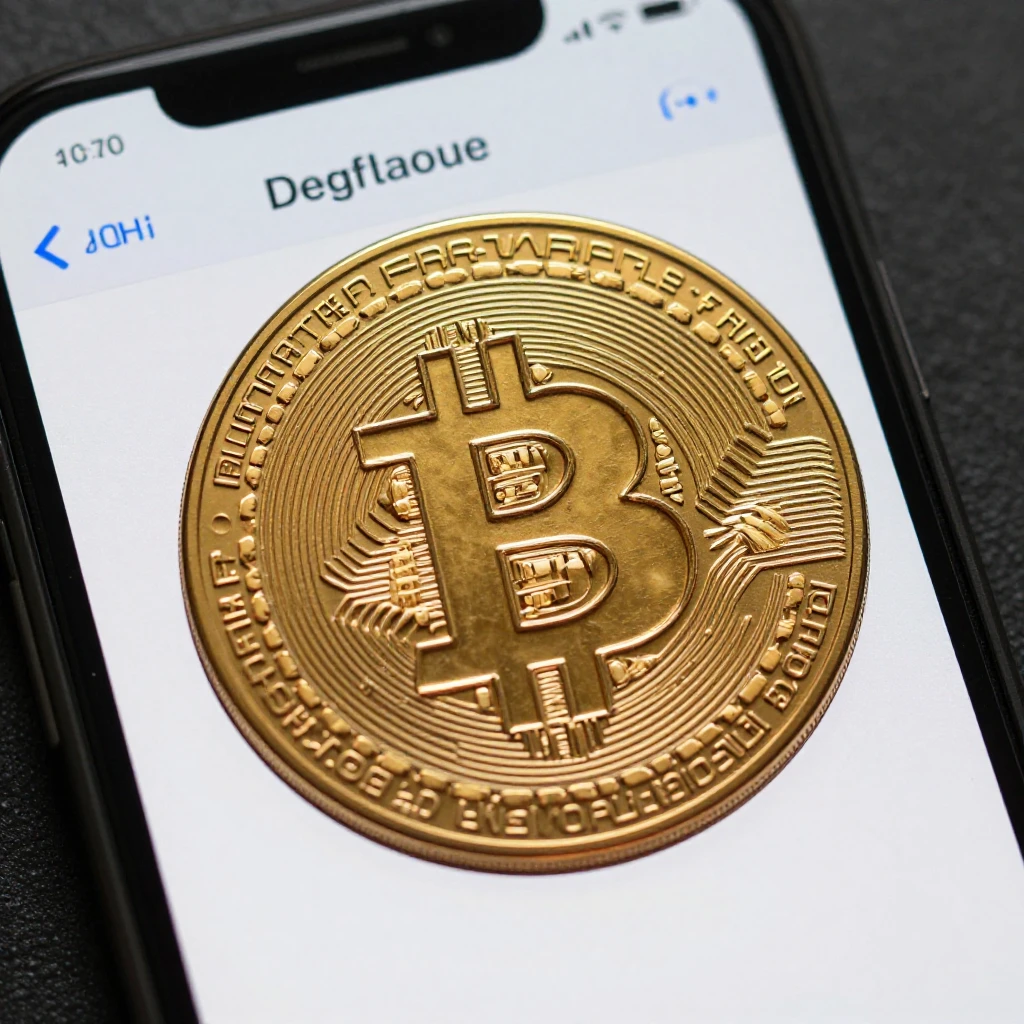
Speed and Security Advantages of Bitcoin at Online Casinos
Platforms built specifically around crypto payments tend to prioritize speed and security in ways traditional payment processors just can't match. I've found resources like online casino bitcoin handy for figuring out which operators have genuinely optimized their infrastructure for crypto transactions, rather than just bolting Bitcoin on as an afterthought.
The difference shows up in processing times, in how transparent the fees are, and in how well a platform handles bigger withdrawal amounts without triggering some unnecessary delay.
Reduced Fraud Risk and Enhanced Privacy
Blockchain transactions are publicly verifiable yet pseudonymous — an odd but useful balance. Chargeback fraud, a major headache for traditional casino operators, becomes almost impossible with Bitcoin since transactions are irreversible once confirmed. And players aren't forced to hand over sensitive banking details every single deposit, which cuts way down on exposure to identity theft and data breaches.
Choosing a Trustworthy Bitcoin-Friendly Casino in Canada
Not every crypto casino is built the same, so a bit of due diligence goes a long way. Here's what I always check before putting any money into a platform:
- Valid licensing from a recognized jurisdiction (Malta, Curacao, or provincial regulators where applicable)
- Provably fair gaming mechanics that let you verify outcomes independently
- Clearly stated withdrawal limits and processing timeframes for Bitcoin specifically
- Responsive customer support that can answer crypto-related questions in real time
- Positive, consistent reputation across independent player forums and review communities
Red Flags to Watch For
Be wary of casinos with vague or unverifiable licensing info, withdrawal delays that stretch well past their own stated timeframes, or terms that bury crypto-specific fees in fine print. If a platform can't clearly explain how it handles Bitcoin deposits and withdrawals, that's usually your sign to look elsewhere.
Common Mistakes Canadian Players Make with Crypto Casino Payments
Even experienced gamblers trip up on crypto-specific details. The most common mistake I see? Sending funds to the wrong wallet address. Always double-check the full string before confirming a transaction — there's no reversing it once it's sent.
Other frequent pitfalls: ignoring network fees that swing with congestion, skipping KYC verification before trying to withdraw (which can delay your payout for no good reason), and not keeping records of transactions for later. Small habits, but they matter.
Tax and Regulatory Considerations for Canadian Crypto Gamblers
The Canada Revenue Agency treats cryptocurrency as a commodity, which means converting Bitcoin winnings back into CAD could carry tax implications — depending on your overall activity and whether gambling counts as your primary source of income. Casual recreational winnings generally aren't taxed in Canada, but the crypto conversion itself can create a taxable event if your Bitcoin's value shifted between the moment you won it and the moment you cashed out.
Keeping detailed records — transaction dates, amounts, CAD values at the time — is just a smart habit, regardless of your situation. And if you're playing regularly, talking to a tax professional who actually understands crypto is worth the money.
Bitcoin has earned its spot as a serious payment option for Canadian online casino players in 2026, and the reasons get pretty clear once you've seen both sides of the fence. Faster deposits, quicker withdrawals, stronger privacy, real control over your own funds — it adds up to something traditional banking methods just can't replicate.
That said, doing your homework before choosing a platform still matters. Licensing, reputation, transparent policies — all of that should come before convenience, every time. As the rules around this keep shifting, staying informed is what keeps you ahead of the curve and gets you the most out of what cryptocurrency gambling has to offer.

