Debt Relief in Canada 2026: How to Choose a Legitimate Program, Avoid Scams, and Know Do Debt Relief Companies Really Work Before You Sign Up

I've spent a lot of time digging into the debt relief industry in Canada, partly because I watched a family member get burned by a company that promised the moon and delivered a mess of fees instead. So when people ask me where to start with debt relief in 2026, I always tell them the same thing: understand what you're actually buying before you sign anything. This article walks through exactly that — what debt relief means in this country, how to spot the legitimate players, and whether these companies genuinely work or if it's mostly marketing polish.
What Is Debt Relief and How Does It Work in Canada?
Debt relief is really an umbrella term covering several distinct paths Canadians can take when their debt load becomes unmanageable. It's not one product — it's a category, and each option works differently depending on your income, your creditors, and how much you owe.
Debt consolidation combines multiple debts into a single loan, ideally with a lower interest rate, making monthly payments simpler and cheaper over time. Debt settlement or negotiation programs involve a third party negotiating with your creditors to accept less than what's owed, usually in a lump sum or structured payout. Consumer proposals are a legally binding process administered through a Licensed Insolvency Trustee, where you offer creditors a percentage of what you owe, and if approved, the rest is legally forgiven. And then there's bankruptcy, the most drastic option, which discharges most unsecured debts but comes with the heaviest credit consequences.
Qualification depends heavily on the mechanism. Consolidation loans typically require decent credit and steady income. Consumer proposals and bankruptcy require insolvency — meaning your debts genuinely exceed your ability to repay them within a reasonable time. Settlement programs sit somewhere in between, often targeting people with high unsecured debt who aren't quite ready for formal insolvency proceedings.
Debt Relief Companies vs. Licensed Insolvency Trustees
This distinction matters more than almost anything else in this whole topic. In Canada, Licensed Insolvency Trustees (LITs) are federally regulated professionals — the only ones legally authorized to file consumer proposals or bankruptcies on your behalf. They operate under strict oversight from the Office of the Superintendent of Bankruptcy.
Debt settlement companies, on the other hand, are private businesses. Many are legitimate and do useful negotiation work, but they aren't held to the same regulatory standard as LITs. Some provinces have added consumer protection rules around fees and contracts, but the industry still has gaps that scam operators exploit. Knowing which type of entity you're dealing with — regulated trustee or unregulated settlement firm — should be step one in your research.
Signs You Might Need Debt Relief in 2026
With interest rates still elevated compared to a few years back, I'm seeing more Canadians stuck in a cycle where minimum payments barely touch the principal. If any of this sounds familiar, it's probably time to look beyond DIY repayment:
- You're only able to make minimum payments, month after month, with no dent in the balance
- Collection calls or letters have become a regular occurrence
- Your debt-to-income ratio has crept above 40-50%
- You're using one credit card to pay another
- Rising interest rates have made your existing debt noticeably more expensive to carry
None of these are shameful — they're just signals. The earlier you act on them, the more options you'll have.
How to Choose a Legitimate Debt Relief Program
Once you've decided to explore relief options, vetting the company or trustee becomes critical. Here's the checklist I use whenever I'm evaluating a program for someone:
- Confirm accreditation — look for membership in recognized Canadian associations or, for insolvency processes, verify the person is a registered LIT through the federal government's public registry
- Check that upfront fees are banned or minimal — legitimate operators typically get paid as the program progresses, not entirely upfront
- Read every clause of the contract, especially around cancellation terms and what happens if you miss a payment
- Make sure all costs, timelines, and expected outcomes are disclosed in writing before you enroll — not verbally promised
Red Flags of Predatory or Scam Operators
Scam tactics in this space tend to repeat themselves. Watch for:
- Guarantees of specific debt reduction percentages before they've even reviewed your file
- Pressure to stop paying your creditors immediately, which can tank your credit and trigger legal action
- Vague or shifting fee structures that aren't spelled out clearly in writing
- 'Credit counsellors' who can't produce any licensing or professional accreditation when asked
Do Debt Relief Companies Really Work? Separating Fact from Marketing
This is the question that matters most, and honestly, the answer is nuanced. Debt relief companies can work — many Canadians do successfully reduce their balances and get out from under crushing debt. But the marketing often glosses over real trade-offs.
First, expect credit score damage, at least temporarily. Settlement programs typically require you to stop payments to creditors while negotiations happen, which shows up as delinquencies on your credit report. Second, completion rates aren't perfect — some programs report that a meaningful percentage of clients drop out before finishing, often due to fees or an inability to sustain the program's payment schedule. Third, hidden costs can eat into the savings you thought you were getting, especially with poorly disclosed service fees.
For a closer look at how these programs perform in practice, this detailed review on do debt relief companies really work breaks down real case outcomes and risk factors before you sign a contract. I'd recommend reading something like that before committing to any specific provider, because generic marketing pages rarely show you the full picture of what happens month six or month twelve into a program.
Comparing Debt Relief Options: Pros and Cons
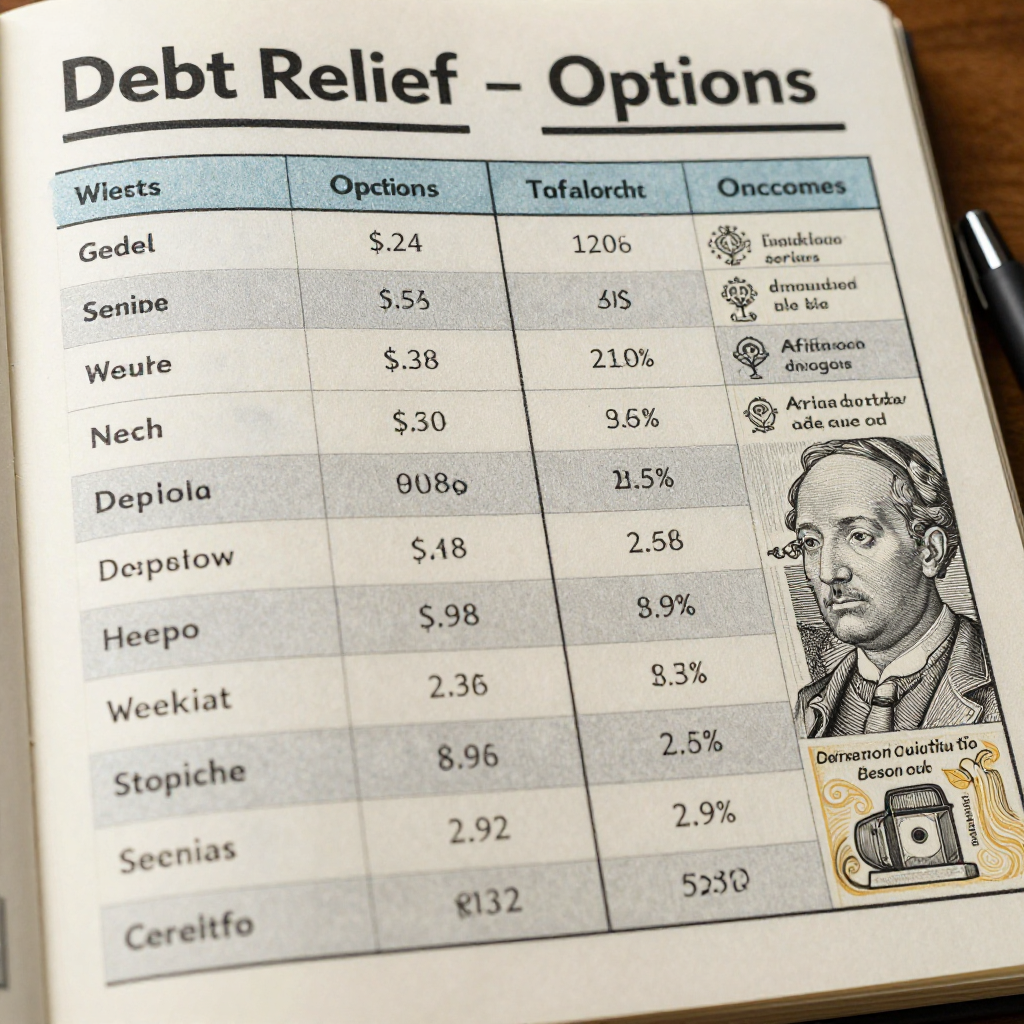
Since no single solution fits everyone, here's how the main options stack up against each other:
- Debt settlement companies: Can reduce total debt owed, but often damages credit temporarily and comes with service fees; timeline usually 2-4 years
- Consumer proposals: Legally binding, stops interest and collection calls immediately, moderate credit impact that resolves faster than bankruptcy; typically resolved within 5 years or less
- Debt consolidation loans: Minimal credit impact if managed well, lower interest costs, but requires decent credit to qualify and doesn't reduce principal owed
If your credit is still reasonably healthy, consolidation might be the gentler path. If you're already deep into insolvency territory, a consumer proposal through an LIT often provides more legal protection than an unregulated settlement program.
Common Mistakes to Avoid Before Signing Up
A few missteps show up again and again with people I've talked to:
- Skipping a free consultation with a non-profit credit counselling agency before paying a private company for the same advice
- Accepting the first quote without comparing at least two or three other providers
- Ignoring the tax implications of forgiven debt — in Canada, settled debt can sometimes be treated as taxable income
- Not checking the Better Business Bureau or your provincial consumer protection office for complaints before enrolling
Frequently Asked Questions About Debt Relief in Canada
Is debt relief the same as bankruptcy? No. Bankruptcy is one specific legal path within the broader category of debt relief, and it's the most severe option in terms of credit consequences.
Will debt relief affect my credit score long-term? Most options cause short-term damage, but scores typically recover within a few years if you rebuild responsibly afterward.
How long does a typical program take? Anywhere from 2 to 5 years, depending on the option chosen and the size of the debt involved.
Are debt relief fees tax-deductible? Generally no — fees paid to settlement companies or trustees aren't tax-deductible in Canada, though forgiven debt amounts can sometimes create taxable income, so it's worth talking to an accountant.
Conclusion
Legitimate debt relief programs really can help Canadians regain control of their finances, but the outcome depends entirely on the homework you do beforehand. Verify credentials, read contracts line by line, compare multiple providers, and don't let anyone rush you into a decision with promises that sound too good to be true. The industry has both excellent operators and predatory ones, and the difference often isn't obvious from a glossy website alone — it takes a bit of digging to separate the two.

