How Online Gambling Affects the Brain: A Neurological Look at Bitcoin Casino Behavior in Canada (2026)
I spent a good chunk of this year talking to Canadian players, digging through research papers, and trying to figure out why Bitcoin casinos exploded in popularity across the country. And honestly? What struck me wasn't the growth numbers themselves. It was what's actually happening inside the skull of the person placing the bet. In 2026, crypto gambling platforms have gotten smoother, faster, more immersive than ever — and that evolution is doing something genuinely interesting to our brains. This piece is my attempt to unpack the neuroscience behind that experience: why digital wagering feels fundamentally different from walking into a traditional casino, and what Canadian players should know before they place their next bet.
The Science of Risk and Reward: How Gambling Rewires the Brain
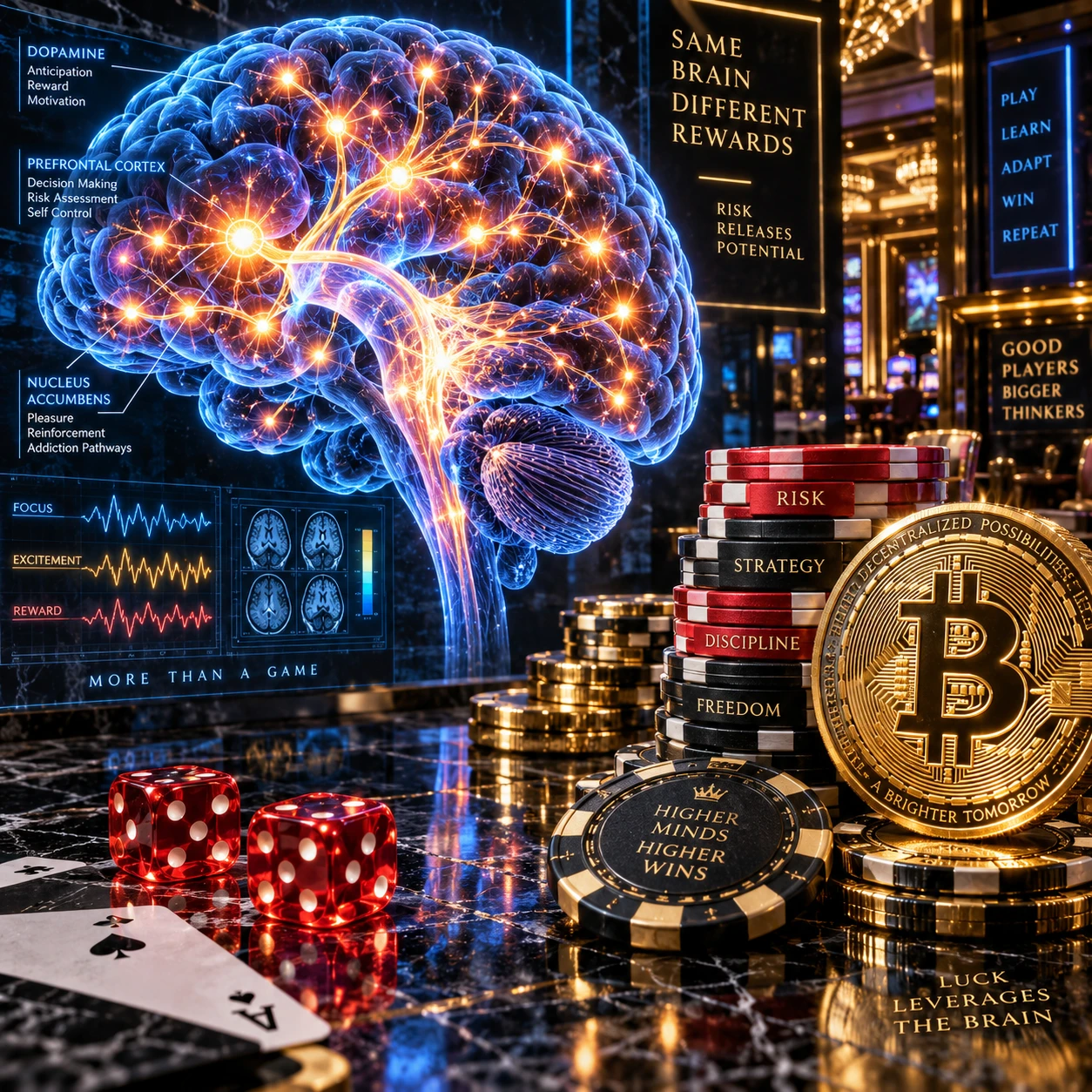
At its core, gambling is a conversation between your brain's reward system and uncertainty. Every time you place a wager, your brain releases dopamine — not necessarily because you won, but because you might. That's the foundation of what neuroscientists call 'variable reinforcement,' and it's one of the most powerful behavioral conditioning tools we know of. Slot machines, roulette wheels, crypto-based games — they all exploit the same mechanism. Unpredictable rewards keep the brain engaged far longer than predictable ones ever could.
Dopamine, Anticipation, and the 'Near-Miss' Effect
Here's something I find genuinely fascinating: a near-miss can trigger almost the same dopamine response as an actual win. When two matching symbols land next to a third that just barely misses, the brain reads this as 'almost there,' and that keeps the play going. Studies on gambling behavior consistently show that the anticipation phase — those few seconds between placing a bet and seeing the result — is where most of the dopamine surge actually happens. Not at the moment of winning. Right before it.
The Role of the Prefrontal Cortex in Decision-Making
Your prefrontal cortex is supposed to be the brain's brake pedal, the part responsible for weighing consequences and controlling impulses. But repeated exposure to high-stimulation gambling environments can weaken this region's influence over time. The more often someone gambles under high-reward conditions, the harder it gets for the prefrontal cortex to say 'that's enough.' Which is probably why experienced players sometimes describe feeling like they're on autopilot during long sessions. I've heard that phrase more than once, and it's never said casually.
Why Bitcoin Casinos Amplify Neurological Triggers
Cryptocurrency gambling isn't just traditional gambling wearing a different payment method as a costume. It introduces psychological variables that intensify the brain's reward response in ways fiat-based platforms often don't — and that's not a small distinction.
Speed and Instant Transactions
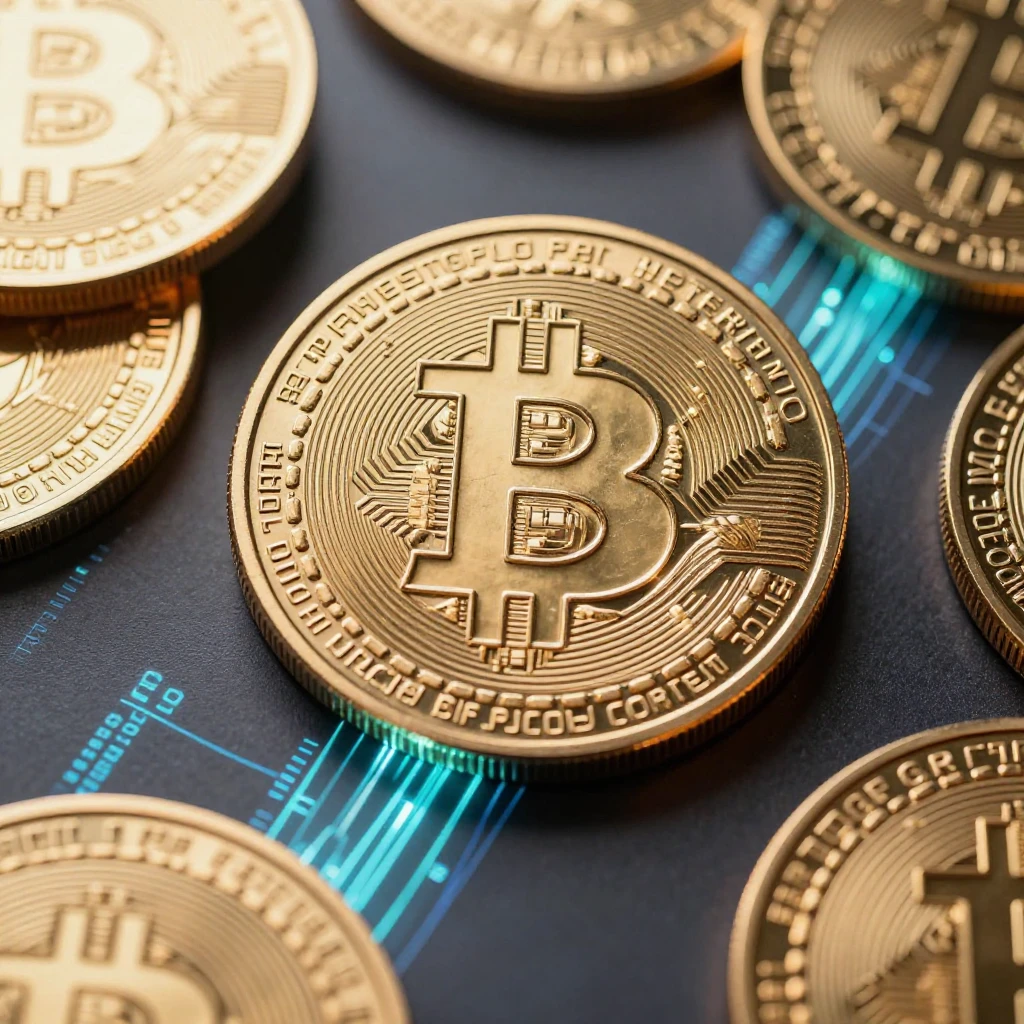
One of the biggest differences I've noticed with Bitcoin casinos is how near-instant deposits and withdrawals feel. Traditional banking introduces natural friction — delays that give players a beat to reconsider a decision. Crypto strips most of that away. Deposits can clear in seconds, and withdrawals, depending on the platform, aren't far behind. Fast. Really fast.
That speed shrinks the 'cooling-off' window that normally interrupts impulsive betting. So decisions get made quicker, with less deliberate thought behind them. Maybe that's the point, maybe it's just a side effect — either way, it changes the math.
The Abstraction of Value with Cryptocurrency
There's also a psychological distance that comes with digital tokens. Watching a number labeled '0.015 BTC' shrink feels different than watching physical cash disappear from your wallet. It just does. This abstraction of value can dull the brain's natural loss-aversion response, that instinct that normally makes losing money sting enough to curb further risk-taking. When money feels less 'real,' the brakes come off a little easier.
Canadian Players and the Rise of Crypto Gambling in 2026
Canada's relationship with online gambling has shifted, and not slowly either. Provincial regulation has matured, crypto adoption has grown among younger demographics, and Bitcoin casinos have positioned themselves as faster, more private alternatives to conventional online gambling sites. Players across Ontario, British Columbia, and Alberta increasingly cite anonymity and transaction speed as their reasons for picking crypto platforms over traditional ones. This growth makes understanding the neurological impact of these platforms more relevant than ever — for Canadian regulators, researchers, and players alike.
Behavioral Patterns Linked to Digital Gambling Platforms
Platform design plays a massive role in shaping gambling behavior, and this is where behavioral research gets genuinely important. Organizations studying player interaction patterns through resources like bitcoin casino research examine how cognitive triggers — flashing visuals, celebratory sound cues, countdown timers — get embedded directly into gambling interfaces to maximize engagement. These aren't accidental design choices. They're built around well-documented principles of reward prediction and behavioral conditioning, and once you know what to look for, you start noticing them everywhere.
Gamification and Reward Loops
Bonus structures, loyalty tiers, daily login rewards, achievement badges — all of it mimics game design mechanics you'd see in mobile apps and video games. Each element exploits what's known as a 'reward prediction error,' the gap between what the brain expects and what it actually gets. Small, frequent rewards keep that gap alive, which keeps players engaged far longer than a simple win/loss structure ever could.
Signs of Problematic Gambling Behavior
Not every gambling session is a cause for concern. But certain patterns signal that recreational play might be shifting into something more harmful. From a neurological standpoint, here are the red flags worth watching for:
- Compulsively checking balances or odds even when not actively playing
- Chasing losses with increasingly larger bets
- Needing bigger wagers to feel the same level of excitement (tolerance buildup)
- Difficulty stopping even after reaching a predetermined limit
- Feeling irritable or anxious when unable to gamble
These behaviors mirror patterns seen in other reward-driven conditions, which is exactly why gambling disorder is increasingly treated with the same clinical seriousness as substance-related addictions.
Protecting Your Brain: Responsible Gambling Strategies for Canadian Players
Knowing how the brain responds to gambling stimuli is only useful if it actually translates into practical habits. A few strategies I'd genuinely recommend:
- Set firm time and deposit limits before you start playing, not after
- Use self-exclusion tools offered by licensed platforms
- Treat near-misses as losses, not almost-wins — this reframing helps counteract dopamine-driven bias
- Take regular breaks to let your prefrontal cortex 'reset' its decision-making function
- Reach out to Canadian support resources such as provincial responsible gambling helplines if play starts feeling compulsive
Conclusion
Understanding what's happening neurologically when you gamble doesn't take the fun out of it. It just gives you a clearer picture of what you're actually responding to. Bitcoin casinos in 2026 are faster, more immersive, and psychologically engaging in ways traditional platforms simply weren't built to be.
For Canadian players, that means approaching crypto gambling with a bit more awareness — recognizing dopamine-driven anticipation, understanding why abstracted digital currency can lower natural caution, and knowing the warning signs before they turn into real problems. Informed players make safer decisions. And in an industry evolving this fast, that awareness matters more than ever.

